Resources
Visual artists are particularly exposed to the gap the Smart Fund is designed to address. Their work circulates widely across digital environments: saved to smartphones, shared through messaging apps, used in presentations, referenced on social media, stored in image libraries and viewed across multiple connected devices. This everyday copying and storage helps sustain demand for digital technology, but the individual artist whose work creates that value rarely receives any return from those private uses.
This matters because visual artists’ income is often highly precarious. Many artists rely on a patchwork of earnings from sales, commissions, licensing, teaching, grants and secondary rights, with limited financial resilience between projects. While digital access has increased the visibility and reach of visual culture, it has not translated into stable or fair income for many artists. The result is a growing imbalance: visual artists’ works are more accessible and more frequently copied than ever, but the economic benefits of that activity are captured elsewhere in the digital value chain.
A Smart Fund would provide a practical way to recognise that contribution. By returning a small share of the value generated by devices capable of storing and copying creative works, the scheme would create an additional income stream for visual artists without restricting public access to culture. For painters, photographers, illustrators, sculptors, designers and other image-makers, this would help ensure that the everyday digital use of their work contributes back to the people who create it. It would also support the wider ecology that visual artists depend on.
If a proportion of revenues were invested in cultural projects, the Smart Fund could help fund artist development, exhibitions, education, community programmes and access initiatives across the UK. That is especially important at a time when public funding pressures are limiting opportunities for artists and audiences alike. For visual artists, the Smart Fund is therefore not only a question of fair remuneration, but also of sustaining the infrastructure that allows new work, new careers and public access to visual culture to flourish.
Film and television performers help bring the UK’s screen industries to life, creating cultural and economic value that is enjoyed by audiences across a growing range of digital devices and platforms. Yet despite the success of UK film and television, many performers continue to face financial insecurity throughout their careers.
Research into performers’ earnings found that the median annual income of an audiovisual performer is £17,500, rising to £22,500 for those who spend all of their working time performing. Both figures remain significantly below average UK earnings, highlighting the gap between the value performers create and the income many receive in return.
The British Equity Collecting Society (BECS) helps address this challenge by collecting and distributing royalties for the use of performers’ work. These royalties provide an important source of secondary income, helping performers earn remuneration when programmes and films continue to generate value through broadcasting, streaming and other uses after the original production has been completed. The wider evidence across the creative industries shows that royalties and rights-based payments can provide vital support alongside fees and contracts, particularly during periods between engagements.
However, performers, like many creators and freelancers, are facing growing economic pressures. Rising costs, changing business models and rapid technological change are making careers increasingly difficult to sustain, while concerns around AI and the future use of performers’ work have intensified debates about rights and remuneration. The result is growing financial insecurity for many of the people whose work underpins one of the UK’s most successful creative sectors.
The Smart Fund would help address these challenges by creating a new source of remuneration for performers whose work is widely consumed, stored and enjoyed on digital devices. By ensuring that a small share of the value generated through digital technologies is returned to creators and performers, the Smart Fund would support fairer remuneration and help sustain the future of performance in the UK.
Authors enrich our lives through books, journalism, educational materials, scripts and other written works that inform, entertain and inspire. Yet despite continued demand for written content, research shows that earning a living from writing has become increasingly difficult.
The proportion of authors able to derive their entire income from writing has more than halved, falling from 40% in 2006 to just 19% in 2022. Over the same period, median earnings for primary occupation authors fell by 60%, from £17,500 to just £7,000 per year. As a result, most authors now rely on portfolio careers and multiple income streams to sustain their creative practice. Collective rights income plays an important role in supporting writers’ livelihoods. The Authors’ Licensing and Collecting Society (ALCS) represents more than 130,000 writers and has distributed over £750 million to writers since 1977, ensuring creators are paid when their work is copied, shared or reused. For some authors, secondary rights payments can represent a substantial proportion of their annual income, helping them continue writing between commissions, contracts and royalty payments.
However, the economic pressures facing authors continue to intensify. Rising costs, changing digital markets and new technological challenges have contributed to a prolonged decline in earnings, raising concerns about the long-term sustainability of writing as a profession. Low and unstable incomes risk narrowing access to creative careers and reducing the diversity of voices that contribute to the UK’s cultural life.
The Smart Fund would help address these challenges by creating a new source of collective licensing revenue for authors and other creators whose work is regularly accessed, copied and stored on digital devices. By ensuring that a small share of the value generated through digital technologies flows back to creators, the Smart Fund would support fairer remuneration and help sustain the future of writing in the UK.
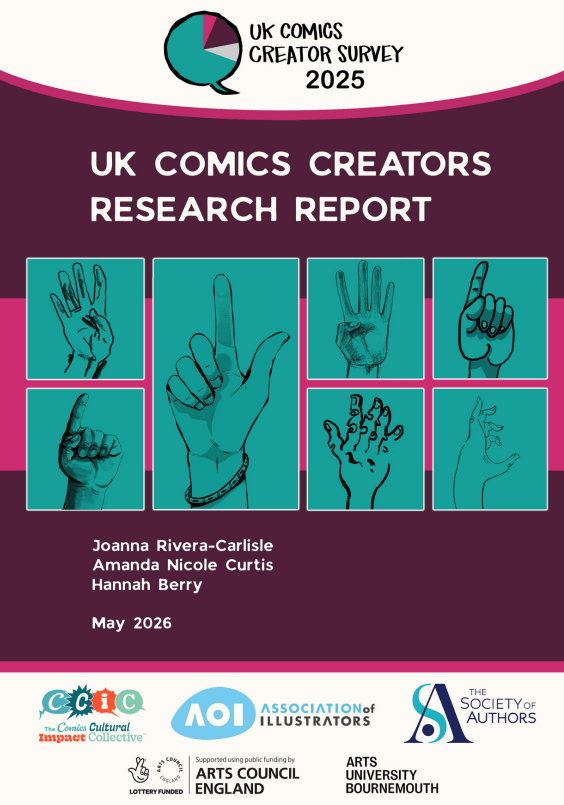
Comics are a growing and important part of the UK’s creative economy. Nearly half (43.5%) of young people aged 8-18 read comics or graphic novels at least once a month, while readership on digital devices is particularly strong among older teenagers. At the same time, graphic novel sales have grown significantly in recent years, demonstrating increasing consumer demand for comics content.
Despite this growth, comics creators face severe financial challenges. The vast majority share their work online, yet income from digital distribution remains extremely limited. While more creators are publishing online than ever before, only 5% of webcomics creators now earn income from their work, down from 11% in 2020. Traditional publishing also provides little financial security, with just 11% of creators earning more than £20,000 annually from comics work, meaning almost nine in ten earn less than the National Living Wage.
As a result, 72% of creators rely on other employment to support themselves, while 63% identify lack of financial income as a major challenge. More than half (57%) also cite lack of time to create, reflecting the pressures of balancing creative work with additional jobs.
The comics sector is also notably diverse, with high proportions of disabled, neurodivergent, LGBTQ+ and working-class creators. Ensuring creators receive fair remuneration for the value their work generates is therefore essential not only for the sustainability of the sector, but also for maintaining diversity and access within the creative industries.
The Smart Fund would help address these challenges by creating a new revenue stream for creators whose work is widely enjoyed, shared and consumed on digital devices, helping ensure that the growing popularity of comics translates into fairer rewards for the people who create them.
Reports
Click the report to view it in in a new tab.
News
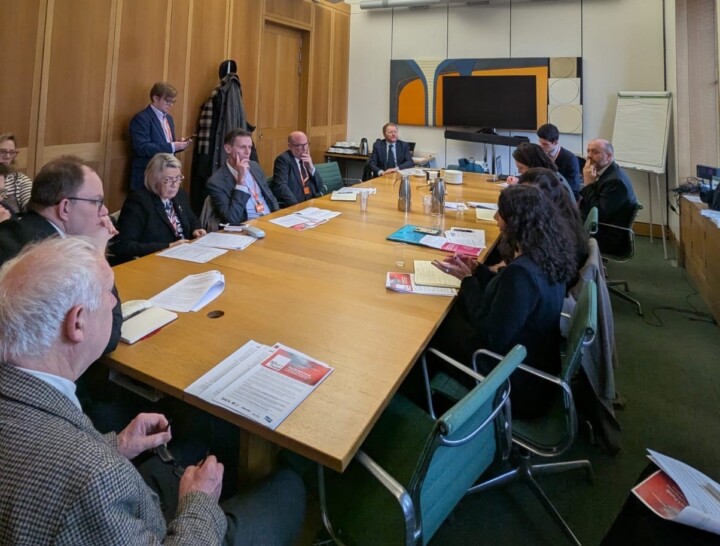
Smart Fund partners attend roundtable on
‘Solutions to arts and culture funding across the UK’
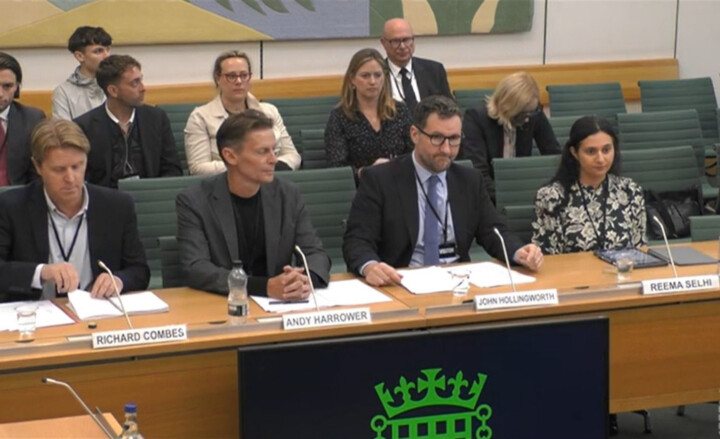
Culture, Media and Sport committee recommends
implementation of Smart Fund to support UK creators

PICSEL joins the Smart Fund
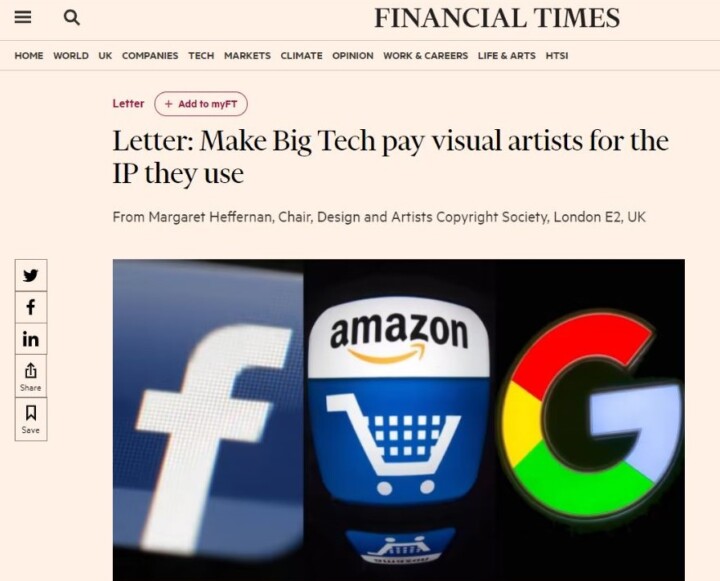
Letter: Make Big Tech pay visual artists for the IP they use

Supporting cultural innovation across the UK

Poll: Public support payment initiatives for artists
Poll says accessing culture digitally
is important but comes at a cost to artists

A new YouGov survey finds that 81% of
people say that accessing culture through
a digital device is important in their daily lives.
Smart Fund report highlights potential
for boosting UK economy through digital creativity


Press
The Smart Fund has been set up by a coalition of organisations who protect the rights of creators and performers.
For press enquiries please contact the DACS press team:
Kate Rosser Frost – kate.rosser-frost@dacs.org.uk / 07908711945
Andrew Mitchell – andrew.mitchell@dacs.org.uk / 07483763698
Most recent press releases:
New Report Highlights Revenue Potential for boosting UK Economy through Digital Creativity: Read more
The Smart Fund aims to build back better, supporting a new age of culture and economic renewal in the UK: Read more